


Gas Leak Detection Canberra
Gas leak detection in Canberra helps locate suspected leaks around gas heaters, appliances, hoses, bayonet points, fittings, meters and accessible pipework. A licensed gasfitter should test the area, isolate unsafe sections where possible, explain the findings and recommend repair steps before further work begins.
Gas Heater Service Canberra provides gas leak detection for homes, rental properties and workplaces where gas smell, appliance issues or connection concerns need urgent attention. The service is carried out by a licensed gasfitter with ACT gasfitter licence 399004c, 15+ years’ experience and 24/7 availability.
Need help with a suspected leak? You can contact the team for urgent gas leak detection and explain what you can smell, hear or see.
Book Now
Same Day Service | Servicing Canberra Wide | Available 24/7
We Are Open Now
Special Offers
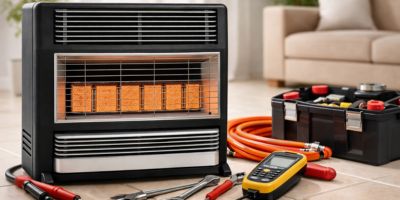
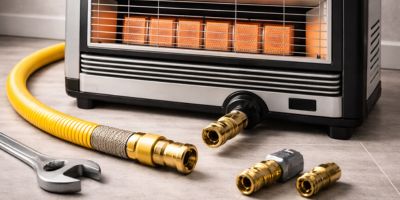
Get a Bonus 21 Point Plumbing Check with Any Service

Special Offers
We offer discounts on multiple gas heaters in the same home/property
1 Gas Heater (In Your home)
Includes FREE Carbon Monoxide Testing & Gas Leak Detection 2nd Gas Heater (In Your home)
Includes FREE Carbon Monoxide Testing & Gas Leak Detection 3rd Gas Heater (In Your home)
Includes FREE Carbon Monoxide Testing & Gas Leak Detection 3m Gas Hose Fit & Supply
Includes FREE Carbon Monoxide Testing & Gas Leak Detection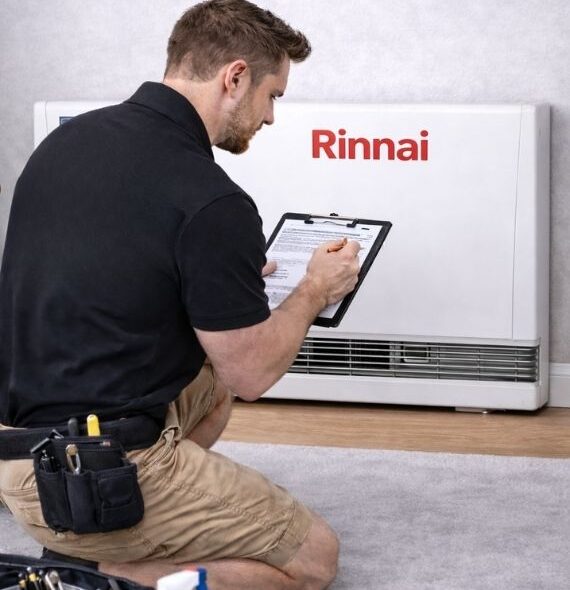
Licensed Gas Leak Detection Service
A gas leak detection service should be handled by a qualified gasfitter because gas faults can involve appliances, fittings, hoses, bayonet points, meters or pipework. The goal is to identify the likely source safely, explain what has been found and recommend the next step.
Our gas leak detection services may include:
Gas heater leak checks
Appliance connection testing
Hose and bayonet point checks
Gas fitting and accessible pipework assessment
Gas meter area concern review
Leak location advice
Repair recommendations where suitable
Gas leaks can sometimes be linked to older or poorly maintained appliances. For regular appliance checks, see our gas heater service in Canberra.
When To Book Gas Leak Detection
Gas leak detection should be booked when you notice unusual gas smells, appliance behaviour changes or signs that a connection may not be operating safely. Even small concerns should be checked before they become more serious.
Rotten Egg Smell, Hissing Sounds And Pilot Issues
A rotten-egg smell, hissing near a connection or a pilot light that will not stay on may point to a gas appliance or fitting issue. These warning signs should be assessed by a licensed gasfitter rather than ignored or temporarily worked around.
Common signs include:
- Rotten-egg gas smell indoors
- Gas smell near a heater or appliance
- Hissing near a hose, fitting or bayonet point
- Pilot light problems
- Burner flame changes
- Unusual appliance behaviour
- Gas smell near the meter area
Gas Heater, Hose, Bayonet And Fitting Leaks
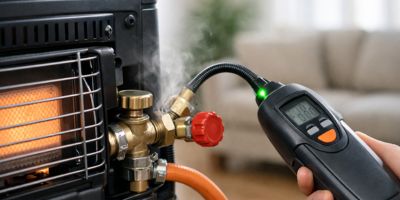
Gas leaks can occur around heaters, flexible hoses, bayonet points, appliance connections and fittings. A gasfitter can test likely leak points and explain whether the issue appears related to the appliance, connection or accessible gas line.
Common areas checked may include:
- Gas heater connections
- Appliance fittings
- Flexible hoses
- Bayonet points
- Accessible pipework
- Gas meter area concerns
- Shut-off and isolation points where applicable
What Type Of Gas Leak Concern Do You Have?
Different warning signs can point to different safety concerns. This table helps explain what may be happening and what action is usually appropriate.
| Situation | Best Fit | Why | Next Step |
|---|---|---|---|
| Strong gas smell indoors | Emergency attendance | Rapid risk reduction | Turn appliances off if safe, ventilate, call for help |
| Smell near meter/external line | Network/distributor faults may apply | Could be upstream infrastructure | Call the distributor emergency line |
| Pilot won’t stay lit | Diagnostic visit | Could be leak, airflow, or appliance fault | Book inspection and testing |
| Renovation or new appliance install | Pre-commission checks | Avoid nuisance leaks and non-compliance | Schedule checks before regular use |
| Intermittent smell only | Targeted testing | Some leaks present only under load | Test under operating conditions |
Gas Leak Or Carbon Monoxide Concern?
Gas leak detection and carbon monoxide testing are related safety services, but they are not the same. Gas leak detection checks for escaping gas, while carbon monoxide testing checks whether a gas appliance may be producing unsafe carbon monoxide during operation.
You may need gas leak detection if you smell gas, hear hissing or suspect a connection leak. You may need carbon monoxide testing if people feel unwell when a gas heater is running, especially with headaches, dizziness, nausea or tiredness.
What Happens During A Gas Leak Detection Visit?
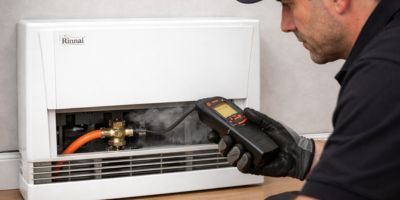
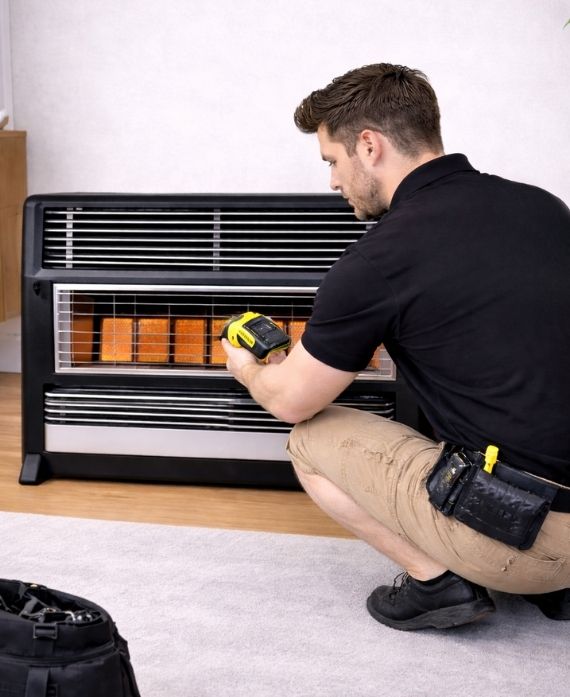
A gas leak detection visit follows a practical safety process. The gasfitter gathers information, checks likely problem areas, tests accessible points and explains the findings before recommending repair or further action.
Booking And Safety Questions
Initial Safety Assessment
Leak Detection Testing
Findings And Advice
Repair Pathway
Areas And Availability
- Servicing Canberra and surrounding areas (site pages TBC)
- Monday to Sunday, 24/7 availability
- Many straightforward jobs are around 30 minutes on-site (access and complexity can change this)
- Same-day gas heater servicing and repairs may be available (conditions apply)
If You Smell Gas Right Now
If you smell gas inside or outside your home, Evoenergy’s emergency guidance for the ACT includes calling their gas faults and emergencies line. (Evoenergy Incidents And Emergencies) (Evoenergy)
If there is immediate danger, call emergency services.
Gas Leak Detection Repair And Next Steps
Gas leak detection repair should follow proper testing. A licensed gasfitter needs to identify the likely source before explaining whether a repair, replacement part, appliance service or further safety action is needed.
Possible next steps may include:
- Isolating unsafe sections where possible
- Explaining the likely leak source
- Recommending suitable repairs
- Advising whether an appliance should not be used
- Checking related fittings or connections
- Quoting repair work separately where required
If the concern involves fumes, sickness when heating is on or possible combustion issues, carbon monoxide testing in Canberra may also be relevant.
If You Smell Gas Right Now
A strong gas smell should be treated as urgent. Natural gas is given a rotten-egg odour so leaks are easier to notice, but the safest response depends on where the smell is, how strong it is and whether there is immediate danger.
If you believe there is an immediate risk, leave the property and call emergency services. For gas faults and emergency guidance in the ACT network area, refer to Evoenergy gas emergency guidance.
Do not try to repair gas appliances, fittings or pipework yourself. Gas work should be assessed by a licensed gasfitter.
Testing Before Repair Recommendations
Testing should come before repair recommendations because gas leaks can have more than one possible source. A safety-first approach helps avoid guesswork and gives you clearer information about what should happen next.
How To Choose A Licensed Gasfitter
Gas leak detection is safety-sensitive work, so the person handling it should be properly licensed and experienced with gas appliances. A good gasfitter should explain the process clearly and avoid promising outcomes before testing.
Look for:
- ACT gasfitter licence details
- Experience with gas heater systems
- 24/7 availability for urgent concerns
- Clear repair recommendations
- Upfront pricing information
- Safety-first advice
- No DIY repair shortcuts
Gasfitting work in the ACT requires appropriate licensing. You can check general licence context through ACT gasfitter licence requirements.
Not For You If
Gas leak detection is not a substitute for emergency services when there is immediate danger. If there is a strong smell, fire risk, severe symptoms or an unsafe situation, leave the area and seek emergency help.
This service may not be the right first step if:
- There is an active fire
- Someone needs urgent medical attention
- You want instructions to repair gas yourself
- You only need general product advice
- The issue is outside accessible gas appliance or fitting areas
FAQs About Gas Leak Detection In Canberra
What Is Gas Leak Detection?
What Should I Do If I Smell Gas?
Do You Provide Gas Leak Detection Repair?
How Much Does Gas Leak Detection Cost?
Is Gas Leak Detection The Same As Carbon Monoxide Testing?
Can I Use A Gas Leak Detector Myself?
Can You Attend Urgent Gas Leak Concerns?
Should I Keep Using My Gas Heater If I Suspect A Leak?
Why Choose Gas Heater Service Canberra
Choosing a local gasfitter gives you a clearer path when a gas leak is suspected. The team focuses on safety, practical testing, plain-English findings and repair advice that matches the issue found on site.
Why customers choose Gas Heater Service Canberra:
- ACT gasfitter licence 399004c
- NSW licensed plumber details supplied
- 15+ years’ experience
- 24/7 availability
- Gas heater and gas leak support
- Same-day options where available
- Clear advice before repair work begins
You can also learn more about the local gasfitter team.