



Gas Leak Detection Canberra
Licence 399004c • 15+ Years Working With Gas Heating Systems • Available 24/7 Across Canberra
If you’re smelling gas, hearing a hiss near a connection, or your pilot won’t stay lit, it’s worth treating it as urgent. We locate the source, isolate what’s unsafe, and talk you through the next step before any repair work starts. First priority is safety and stopping the leak path; second is getting your system back to normal without “patch-and-hope” fixes.
Not For You If
- You want DIY guidance for working on gas lines or fittings
- You want a “remote diagnosis” without an on-site test
- You’re looking to ignore ventilation/appliance safety advice
24/7 attendance for suspected gas leaks
Clear findings and options before repairs
Typical on-site time is around 30 minutes for straightforward checks (job dependent)
Same-day gas heater servicing and repairs (conditions apply)
Book Now
Same Day Service | Servicing Canberra Wide | Available 24/7
We Are Open Now
April 24, 2026 9:58 am
Special Offers

Special Offers
We offer discounts on multiple gas heaters in the same home/property
1 Gas Heater (In Your home)
Includes FREE Carbon Monoxide Testing & Gas Leak Detection
$
250+
GST
2nd Gas Heater (In Your home)
Includes FREE Carbon Monoxide Testing & Gas Leak Detection
$
180+
GST
3rd Gas Heater (In Your home)
Includes FREE Carbon Monoxide Testing & Gas Leak Detection
$
120+
GST
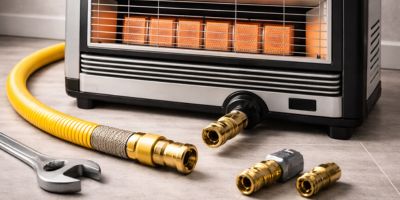
3m Gas Hose Fit & Supply
Includes FREE Carbon Monoxide Testing & Gas Leak Detection
$
119+
GST
What You Get
You’ll get a practical on-site check and clear guidance on the next step.
Who It’s For
This service suits households and businesses dealing with suspected leaks or gas-related warning signs, including:
- Rotten egg smell (odourant in natural gas)
- Hissing near a fitting or bayonet point
- Pilot issues, burner instability, or repeated shutdowns
- Unexplained headaches or nausea when appliances are running (treat this seriously)
| Situation | Best Fit | Why | Next Step |
|---|---|---|---|
| Strong gas smell indoors | Emergency attendance | Rapid risk reduction | Turn appliances off if safe, ventilate, call for help |
| Smell near meter/external line | Network/distributor faults may apply | Could be upstream infrastructure | Call the distributor emergency line |
| Pilot won’t stay lit | Diagnostic visit | Could be leak, airflow, or appliance fault | Book inspection and testing |
| Renovation or new appliance install | Pre-commission checks | Avoid nuisance leaks and non-compliance | Schedule checks before regular use |
| Intermittent smell only | Targeted testing | Some leaks present only under load | Test under operating conditions |
Problems And Outcomes
Gas leaks are often linked to one (or more) of these:
- Loose or aged connections and fittings
- Damaged flexible hose, bayonet point wear, or sealing issues
- Regulator issues or pressure-related faults
- Appliance-related leaks (burner components, internal lines)
- Ventilation and flue issues that create safety risks even when there’s no “classic leak
- Confirmed source (or ruled out source) with the reasoning explained
- Safe isolation guidance and a repair pathway if needed
- A plan that considers compliance and appliance safety
- A “small” leak can behave like a big one when the appliance is under load (heaters on high, hot water demand, etc.). Testing should reflect real operating conditions.
- If you suspect carbon monoxide issues, don’t wait for a second opinion over the phone. CO is colourless and odourless, and exposure can be dangerous. The ACCC has a plain-language overview on carbon monoxide safety. (ACCC Product Safety) (ACCC Product Safety)
Our Process
Triage And Safety First
we confirm symptoms, check the area is safe, and advise immediate steps.
01
02
Isolate If Required
where possible, we isolate appliances or sections to reduce risk.
Systematic Leak Testing
we test connections and likely points in a controlled order.
03
04
Explain Findings Clearly
what we found, why it’s happening, and options to fix it.
Repair Pathway (If Needed)
if a fix is required, we outline scope and timing before proceeding.
05
Areas And Availability
- Servicing Canberra and surrounding areas (site pages TBC)
- Monday to Sunday, 24/7 availability
- Many straightforward jobs are around 30 minutes on-site (access and complexity can change this)
- Same-day gas heater servicing and repairs may be available (conditions apply)
If You Smell Gas Right Now
If you smell gas inside or outside your home, Evoenergy’s emergency guidance for the ACT includes calling their gas faults and emergencies line. (Evoenergy Incidents And Emergencies) (Evoenergy)
If there is immediate danger, call emergency services.
How To Choose A Provider
Gas work is licensing-and-safety critical. A good provider should be comfortable answering the basics without getting cagey.
Questions To Ask Any Provider
- What licence class covers this work in the ACT, and what number is it recorded under?
- What testing method will you use to confirm the leak source (not just “we’ll have a look”)?
- If you isolate a section, what will still be safe to use afterwards?
- Will you explain the cause (not only the symptom) so it doesn’t recur?
- How do you handle appliance-related faults vs pipework faults?
- What parts or repairs might be excluded until you inspect on-site?
- What does your warranty wording actually cover (workmanship vs parts)?
- If the issue is upstream of the meter, what do I do next?
Support Planning Tools And References
- ACT guidance on gasfitter licensing and requirements. (Access Canberra Licensing Guidance) (CIT Help Center)
- ACT distributor emergency information for natural gas leaks. (Evoenergy Incidents And Emergencies) (Evoenergy)
Frequently Asked Questions
What Counts As A Gas Leak?
A gas leak is any unintended release of gas from pipework, fittings, connections, appliances, or related components. If you can smell gas, hear a hiss, or notice symptoms that worsen when appliances run, treat it as urgent and arrange professional testing.
What Should I Do If I Smell Gas In The House?
Ventilate the area, avoid flames or switches, and turn off appliances if it’s safe. Then seek urgent assistance. Evoenergy provides ACT-specific advice for gas leak incidents, including their emergency contact line.
Do You Offer A Gas Leak Detection Service 24/7 In Canberra?
Yes, we’re available 24/7 across Canberra. Availability can vary with demand, but we prioritise suspected leaks because of the safety risk and the need to isolate problems quickly.
How Long Does Gas Leak Detection Take?
Many straightforward checks are around 30 minutes on-site, but it depends on access, the number of appliances, and whether testing needs to be done under operating load. If repairs are required, total time can increase.
Can You Do Gas Leak Detection Repair On The Spot?
Sometimes, yes. If the leak source is accessible and the fix is straightforward (like a connection or a replaceable component), we can often complete a gas leak detection repair during the same visit, subject to parts and site conditions.
What Are Common Signs Of A Gas Leak?
Common signs include the rotten egg smell added to natural gas, hissing sounds near connections, pilot problems, unusual burner behaviour, and physical symptoms that appear when appliances run. If you suspect carbon monoxide exposure, leave the area and seek urgent advice.
Is Carbon Monoxide The Same As A Gas Leak?
Not always. A “gas leak” typically refers to unburnt gas escaping, which may have an added odourant. Carbon monoxide can be produced by incomplete combustion and is colourless and odourless, which is why it’s treated seriously.
Do I Need A Licensed Gasfitter For This Work In The ACT?
Yes. In the ACT, gasfitting is regulated and requires appropriate licensing. Access Canberra guidance outlines licensing requirements for plumbers and gasfitters.
Can You Find Leaks In Heaters, Hot Water Systems, And Cooktops?
In many cases, yes. Leak testing can include appliances and their connections, depending on access and the specific system layout. If the issue is outside the property boundary or upstream infrastructure, you may be directed to the distributor.
What If The Leak Is At The Meter Or Outside My House?
If the leak appears to be at the meter area or outside near supply infrastructure, the ACT distributor may need to attend. Evoenergy’s incidents and emergencies page includes their emergency line details for natural gas leaks.
Do You Provide Written Findings Or A Summary?
We can provide a clear summary of what was tested, what was found, and what the recommended next step is. If follow-up repairs are needed, we’ll explain scope before proceeding.
How Do You Price Gas Leak Detection Services?
Pricing depends on access, the number of appliances, the complexity of testing, and whether isolation or repairs are required. We’ll explain the likely scope once we understand the situation, then confirm on-site before any additional repair work starts.
Do You Offer Same Day Service?
Same-day gas heater servicing and repairs may be available (conditions apply). For suspected leaks, we aim to attend as quickly as possible because safety comes first.
Do You Cover All Of Canberra?
Yes, we service Canberra. As the new site goes live, we’ll list suburbs/areas on a dedicated service area page so it’s clear where and when we can attend.
Why Choose Gas Heater Service Canberra
We focus on practical, safety-first diagnostics and clear communication, especially when the situation is stressful. With 15+ years in the industry and ACT licensing (Licence 399004c), we aim to make the next step obvious—whether that’s isolating a risk, completing a straightforward fix, or recommending the right follow-up path.
- 24/7 availability for suspected gas leaks
- Findings explained in plain English, not jargon
- Methodical leak testing to avoid repeat call-outs
- Repair options outlined before work proceeds
- Respectful, tidy work practices on-site
- Canberra-focused service coverage