


Carbon Monoxide Checks Canberra
Licensed Gas Fitter (Licence 399004c) • 15+ Years • 24/7 Availability • Same-Day Options (Conditions Apply)
If you’re organising carbon monoxide testing in Canberra, the key is understanding what’s being tested and why. Carbon monoxide (CO) is hard to detect without the right equipment because you can’t see or smell it, and exposure can make people unwell. For gas heaters, CO risk is often linked to incomplete combustion, ventilation issues, or appliance faults — so a “proper check” focuses on safe operation, ventilation/airflow, and evidence-led next steps rather than guesswork. Energy safety regulators also recommend regular servicing by a qualified gasfitter as part of reducing CO risk.
- You want DIY instructions for gas work (gas work should be handled by a licensed professional)
- You want “remote diagnosis only” with no onsite checks
- You want a guarantee of a specific test outcome (results depend on appliance condition, ventilation and use)
You’re chasing “free” testing as a default service (see notes under Free Carbon Monoxide Testing)
Licence: 399004c
15+ years in the trade
Monday–Sunday, 24/7 availability
Same-day options (conditions apply)
Many straightforward appointments take around 30 minutes (varies by access and findings)
Book Now
Same Day Service | Servicing Canberra Wide | Available 24/7
We Are Open Now
April 24, 2026 12:32 pm
Special Offers

Special Offers
We offer discounts on multiple gas heaters in the same home/property
1 Gas Heater (In Your home)
Includes FREE Carbon Monoxide Testing & Gas Leak Detection
$
250+
GST
2nd Gas Heater (In Your home)
Includes FREE Carbon Monoxide Testing & Gas Leak Detection
$
180+
GST
3rd Gas Heater (In Your home)
Includes FREE Carbon Monoxide Testing & Gas Leak Detection
$
120+
GST
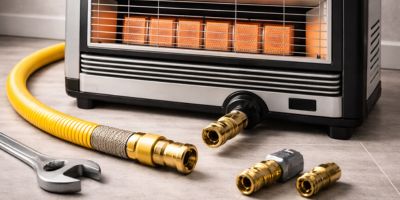
3m Gas Hose Fit & Supply
Includes FREE Carbon Monoxide Testing & Gas Leak Detection
$
119+
GST
Carbon Monoxide Testing
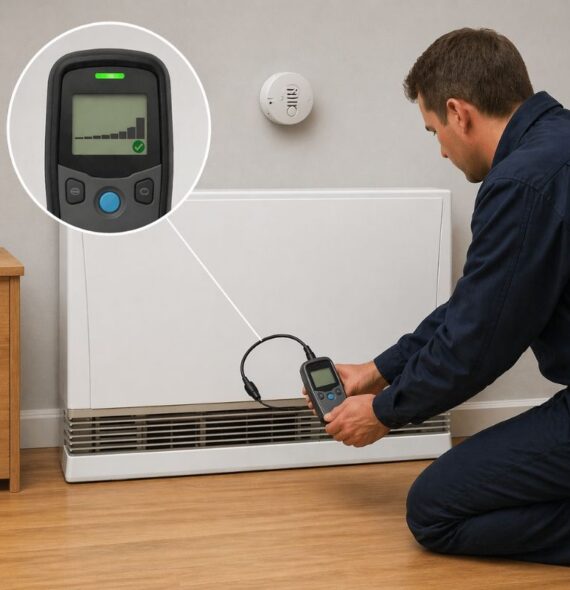
Carbon monoxide isn’t something you can reliably “sense” at home — it’s often described as hard to detect because you can’t see, smell, or taste it, and it can make people sick or worse. That’s why proper testing is about evidence: confirming appliance operation and measuring what needs to be measured, rather than relying on assumptions. With heaters, CO issues are commonly linked to incomplete combustion and ventilation/airflow conditions, so a good check is equal parts appliance behaviour and environmental context.
Who It’s For
- Homes running gas heaters through winter
- Rentals and property managers wanting a safety-focused check
- Households where people feel unwell when the heater is on
- Anyone wanting peace of mind before the first Canberra cold snap
| Situation | Best Fit | Why | Next Step |
|---|---|---|---|
| People feel headache/nausea when heater runs | Gas Heater Carbon Monoxide Testing | Symptoms can match CO exposure; confirm safely | Stop use if severe, book urgent check |
| Heater smells “off” or runs differently | Gas Heater Carbon Monoxide Testing | Changes can signal combustion/airflow issues | Book a check + share heater type |
| You want a device for ongoing monitoring | Carbon Monoxide Tester | Alarm adds a layer, but doesn’t fix the cause | Choose a compliant alarm + still service heater |
| You suspect a leak/fault and need it fixed | Carbon Monoxide Leak Repairs | Repairs should be test-led, not guesswork | Book repair assessment |
| Winter prep for an older heater | Preparation For Winter | Servicing + safe checks reduce risk | Book before peak season |
Problems And Outcomes
- Reduced risk: identify conditions that increase CO risk during heater operation
- Clear actions: service/repair/stop-use guidance based on findings
- Safer winter routine: know what to watch for and when to act quickly
Insider Tip: If symptoms only occur at certain times (cold mornings, windy nights, after long runs), note the pattern. Pattern faults often point to airflow/venting behaviour rather than “random” issues.
Our Process
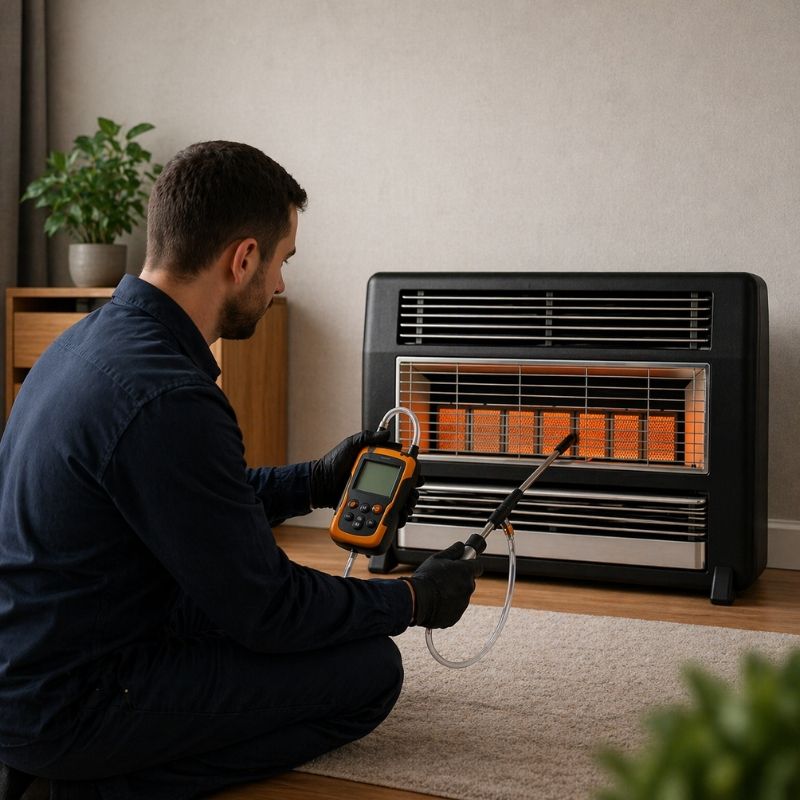
Confirm what appliances are involved (heater type, usage pattern, any symptoms).
01
02
Check basic safe operation and visible installation/ventilation context (where accessible).
Run appropriate testing and observations based on appliance type and symptoms.
03
04
Explain findings in plain English and outline next steps.
If repairs are required, confirm the fault path and what changes the scope (parts/access).
05
Areas And Availability
- Service area: Canberra
- Availability: Monday–Sunday, 24/7
- Same-day options: conditions apply (availability, access, and parts)
How To Choose
You’re not just choosing “someone with a gadget”. You want someone who explains what the readings mean, what changes the approach, and what the safest action is if there’s a concern. Regulators emphasise having gas heaters serviced by a qualified gasfitter as part of staying safe.
Questions To Ask Any Provider
- Are you licensed for gas work, and can you confirm the licence number?
- What exactly is included in your CO check (and what isn’t)?
- If you find an issue, how do you confirm the cause before recommending repairs?
- What would make the job take longer than ~30 minutes?
- If you recommend a CO alarm, what standard or certification should it meet?
- What’s your stop-use guidance if there’s a safety concern?
Support Planning Tools And References
For health and safety guidance around CO and gas heaters:
Gas Heater Carbon Monoxide Testing
When the concern is a gas heater, “CO testing” needs to be framed correctly: the goal is to confirm whether the heater is operating safely in the way it’s actually used (run time, ventilation, room conditions), not just whether it turns on. Any gas heater can spill CO under the wrong conditions, and safety guidance consistently points back to qualified servicing and safe use.
Common triggers for a booking include:
- people feeling unwell while heating is on
- a heater that’s changed behaviour (cycling, struggling to start, unusual smells)
- an older unit heading into winter
- rental compliance or “peace of mind” checks
What changes the approach
- heater type (flued vs unflued, space heater vs central heating)
- ventilation and airflow conditions
- how long the heater runs in one session
- dust, blockages, or signs of incomplete combustion
Carbon Monoxide Leak Repairs
CO issues aren’t always “a simple fix”, because CO is usually a result of something else: incomplete combustion, blocked airflow, venting problems, or a faulty appliance. That means repairs should be test-led and matched to the confirmed cause. Swapping parts without proof is how problems return.
What Repairs Typically Involve
- Confirming the fault path (what is happening and why)
- Addressing the cause (airflow/venting/appliance fault) rather than masking symptoms
- Re-checking operation after repairs to confirm safe running
What We’ll Ask Before We Arrive
- What appliance is involved (heater type, brand/model if you know it)
- What symptoms you’ve noticed (and when)
- Any recent changes (sealed room, renovations, dust, long periods unused)
Carbon Monoxide Tester
A carbon monoxide tester (alarm) can be a helpful extra layer — but it doesn’t replace servicing, and it doesn’t “fix” the cause of CO. Think of it like a smoke alarm: good to have, but you still need safe appliances and good maintenance.
Where People Get It Wrong
- Buying a cheap unit with unclear certification
- Installing it in a poor location (so it doesn’t alert effectively)
- Using the alarm as a substitute for servicing and safety checks
Practical Guidance
- Choose a unit that meets relevant standards and has clear documentation
- Use it as backup, not as a replacement for heater servicing and safe operation guidance
- If the alarm triggers or you feel unwell, treat it seriously and stop using the heater until checked
Preparation For Winter
Canberra winters punish anything that’s been ignored. If a heater hasn’t run for months, the first long run can reveal issues you didn’t see last season: odd cycling, weaker output, or smells that don’t clear. A simple winter plan reduces stress:
- Do a short test run early (before peak season).
- Note any patterns (shutdown after 10 minutes, symptoms only at night, etc.).
- Book a check early if anything seems off — same-day is more realistic before the rush (conditions apply).
- Keep model info handy (photo of the label helps).
Frequently Asked Questions
What Is Carbon Monoxide Testing?
Carbon monoxide testing is an onsite check to assess CO risk and safe operation, often involving observations and appropriate measurements depending on the appliance and symptoms. CO can’t be reliably detected by smell or sight, so testing and qualified assessment matter.
Do I Need Gas Heater Carbon Monoxide Testing Or A Standard Service?
If the heater is performing normally and you’re doing routine maintenance, a standard service may be enough. If people feel unwell, the heater behaves differently, or you’re concerned about CO, gas heater carbon monoxide testing is the right booking.
What Are Common Signs Of Carbon Monoxide Exposure?
CO exposure can cause symptoms that are easy to misread, and CO can’t be seen or smelled. If multiple people feel unwell when the heater runs, or symptoms improve when you leave the house, treat it seriously and stop using the heater until checked.
Can Any Gas Heater Produce Carbon Monoxide?
Yes — safety guidance notes that any gas heater can spill CO under certain conditions, which is why correct servicing and safe use are important.
How Long Does A Carbon Monoxide Testing Appointment Take?
Many straightforward appointments take around 30 minutes, but it depends on access, the appliance type, and what’s found. If issues are detected, extra time may be needed to confirm the cause or plan repairs.
Do You Offer Carbon Monoxide Testing After Hours?
Yes — we’re available Monday–Sunday, 24/7. After-hours attendance depends on workload, but we’ll be clear about what’s possible when you book.
What If I Think I Need Carbon Monoxide Leak Repairs?
Book a repair assessment. CO issues are usually the result of an underlying fault or ventilation/airflow problem, so repairs should be based on confirmed findings rather than assumptions.
Is A Carbon Monoxide Tester The Same As Carbon Monoxide Testing?
No. A carbon monoxide tester (alarm) is an alert device. Carbon monoxide testing is an onsite assessment of the appliance and risk factors. Alarms can help, but they don’t replace servicing or repairs.
Where Should A Carbon Monoxide Tester Be Installed?
Placement depends on the device instructions and the layout of the home. Follow the manufacturer’s guidance carefully and use alarms as a backup layer, not as a substitute for heater servicing.
Do You Provide Free Carbon Monoxide Testing?
We don’t position CO checks as “free by default”, because proper assessment takes time and needs qualified work. If you run a seasonal promotion, we can describe the exact conditions clearly so expectations are realistic.
What Should I Do If I Feel Unwell While The Heater Is Running?
Stop using the heater, ventilate the area, and seek medical advice if symptoms are serious. Arrange an assessment before using the heater again. CO is dangerous and hard to detect without proper guidance.
How Often Should Gas Heaters Be Serviced For Safety?
Safety regulators recommend regular servicing by a qualified gasfitter (for example, guidance commonly references at least every two years). Your ideal frequency can vary with heater type, usage, and conditions.
Does This Apply To Unflued Gas Heaters Too?
Yes — unflued heaters can produce pollutants including carbon monoxide, and official guidance highlights health considerations and safe-use advice. If you’re unsure what type you have, we can help you identify it during the booking.
Why Choose Gas Heater Service Canberra
With 15+ years in the trade and a straightforward, safety-first approach, we focus on evidence-led checks and clear next steps. We’re available 24/7 across Canberra, with same-day options (conditions apply). If there’s a concern, we’ll explain what it means in plain English and what the safest action is — no fluff, no panic tactics.
- Licensed gas fitting (Licence 399004c)
- Safety-first, test-led approach
- Clear explanations and practical next steps
- 24/7 availability across Canberra
- Same-day options when conditions allow