


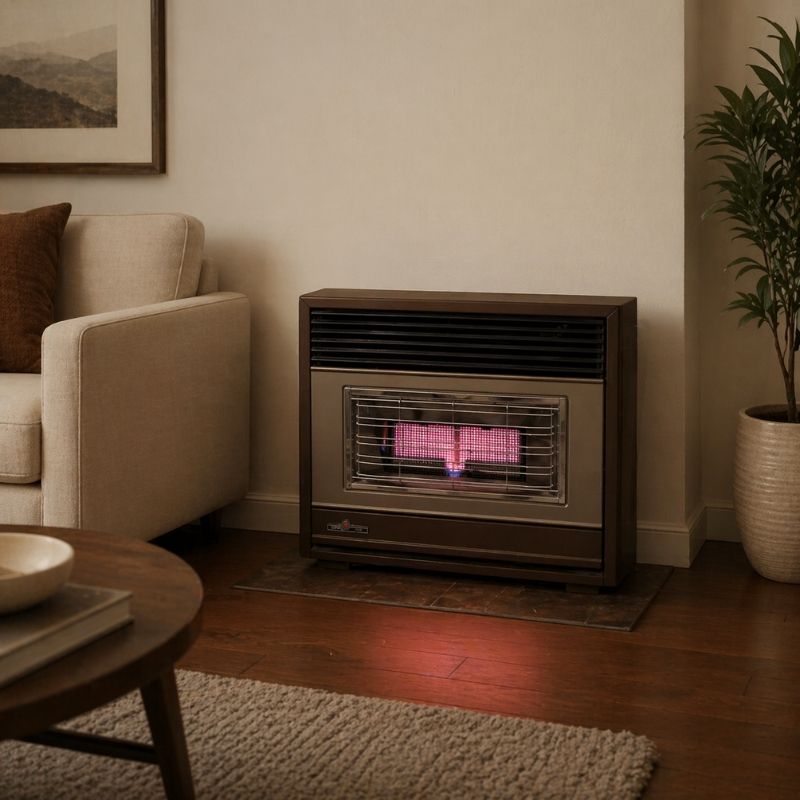
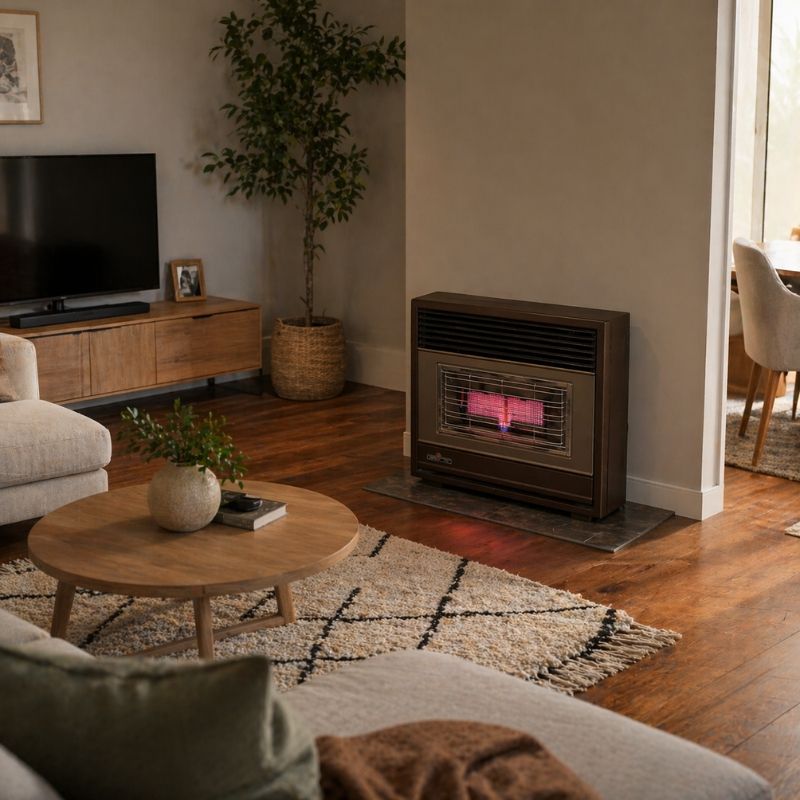
Pyrox Gas Heater Canberra
Licensed Gas Fitter (Licence 399004c) • 15+ Years • 24/7 Availability • Same-Day Options (Conditions Apply)
If you’re booking a pyrox gas heater in Canberra, the safest path is simple: confirm the model and installation basics, then choose service, repair, or installation based on what the unit is actually doing. A proper job isn’t a “quick look and off you go” — it’s checking ignition and shut-down behaviour, airflow and filters, heater response during a normal run cycle, and the safety controls designed to prevent unsafe operation. Many straightforward jobs take around 30 minutes, depending on access, dust build-up, and whether parts are required.
Not For You If
- You want DIY instructions for gas work (gas work must be done by a licensed professional)
- You’re chasing a “diagnosis by text” without an onsite safety check
- You want a firm price without sharing the model and symptoms
- The installation appears unsafe/non-compliant and you don’t want that addressed
Licence: 399004c
15+ years in the trade
Monday–Sunday, 24/7 availability
Same-day servicing and repairs (conditions apply)
Typical visit time: ~30 minutes (varies by fault/access)



Special Offers
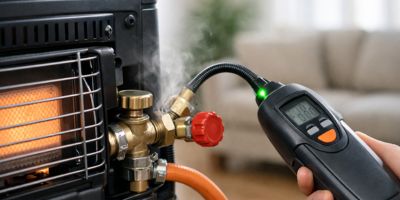

Special Offers
We offer discounts on multiple gas heaters in the same home/property
1 Gas Heater (In Your home)
Includes FREE Carbon Monoxide Testing & Gas Leak Detection 2nd Gas Heater (In Your home)
Includes FREE Carbon Monoxide Testing & Gas Leak Detection 3rd Gas Heater (In Your home)
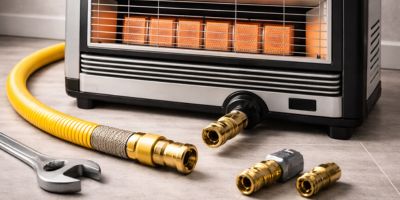
Includes FREE Carbon Monoxide Testing & Gas Leak Detection 3m Gas Hose Fit & Supply
Includes FREE Carbon Monoxide Testing & Gas Leak Detection
Pyrox Gas Heater Service
Servicing should be driven by how the heater behaves across a full cycle, not a generic checklist. With Pyrox heaters, you’ll often see issues that sit in the grey zone: it still runs, but heat output is weaker, it cycles more than it used to, or it’s noisier at certain times. “Servicing done properly” means checking the start-up and ignition behaviour, confirming stable operation, checking airflow and filtration, and looking for signs the unit is compensating for restrictions or running hotter than it should. That’s why many services come in at around 30 minutes, but can take longer when access is tight, dust build-up is heavy, or a fault shows up during the checks.
Years of Experience
What You Get
- Operational checks (start, run, safe shut-down)
- Airflow and filter checks (and cleaning where appropriate)
- Visual inspection of accessible connections and general condition
- Identify likely causes of weak output or instability
- Practical advice on what to monitor before the next cold snap
Who It’s For
- Households wanting a pre-winter check-up
- Rentals and property managers aiming for fewer heater callouts
- Homes where the heater “works, but it’s not great”
- Anyone wanting confidence the heater is running safely and reliably
| Situation | Best Fit | Why | Next Step |
|---|---|---|---|
| Heater runs but heat is weak | Service | Often airflow/filter/dust or settings | Book a service + share model |
| Heater won’t start or keeps stopping | Repair | Needs diagnosis and confirmation | Book repair + describe symptoms |
| Smell after months unused | Service | Often dust burn-off; confirm safe operation | Book if smell persists/strong |
| Noisy operation | Service or repair | Obstruction vs wear/fault | Explain when noise occurs |
| Replacing/adding heating | Installation | Correct sizing + compliant setup | Share space + usage |
Problems And Outcomes
- Weak heat: improve airflow and address performance-limiting build-up
- Nuisance shutdowns: identify the trigger and reduce repeat faults
- Odd cycling: confirm whether airflow or control feedback is driving it
- Noisy running: separate normal fan noise from obstruction or wear
Insider Tip: Tell us when it plays up (cold mornings, windy nights, after 10 minutes, only on high). Pattern faults are gold — saves mucking around.
- Confirmed source (or ruled out source) with the reasoning explained
- Safe isolation guidance and a repair pathway if needed
- A plan that considers compliance and appliance safety
- A “small” leak can behave like a big one when the appliance is under load (heaters on high, hot water demand, etc.). Testing should reflect real operating conditions.
- If you suspect carbon monoxide issues, don’t wait for a second opinion over the phone. CO is colourless and odourless, and exposure can be dangerous. The ACCC has a plain-language overview on carbon monoxide safety. (ACCC Product Safety) (ACCC Product Safety)
Our Process
Areas And Availability
- Service area: Canberra
- Availability: Monday–Sunday, 24/7
- Same-day servicing and repairs: conditions apply (availability, access, and parts)
How To Choose
A good provider should be clear on what’s included, how faults are confirmed, and what could change the scope (access, parts, and installation condition). If you’re comparing options, ask questions that force real answers — not vague promises.
Questions To Ask Any Provider
- Are you licensed for gas fitting, and can you confirm the licence number?
- What checks are included in a standard service?
- If a fault is suspected, do you test to confirm before recommending parts?
- What could push the job beyond the typical ~30 minutes?
- If parts are needed, do you explain why and what the alternatives are?
- Do you offer after-hours attendance and what conditions apply?
- What warranty wording applies to workmanship and any supplied parts?
Support Planning Tools And References
- Take a quick photo of the model label before you call.
- Note the symptom pattern (start-up only, mid-run shutdown, weak heat, odd cycling).
- Clear access to the unit and controls to avoid delays.
- If you’re prepping for winter, run it early and don’t wait for the first cold week.
Book Now
Same Day Service | Servicing Canberra Wide | Available 24/7
We Are Open Now
Pyrox Gas Heater Repair
Repairs should be symptom-led and safety-first. Many heater faults look identical from the couch (no start, shutdowns, inconsistent heating), but the causes can be very different — and swapping parts without confirming the fault just wastes time and money. The best approach is to test the operating sequence: what happens at ignition, what changes after a few minutes of runtime, and what triggers a shutdown or cycling behaviour. Some repairs still land at around 30 minutes when the cause is clear and accessible; others take longer when faults are intermittent, access is difficult, or parts are required.
Common Repair
Scenarios
- Won’t ignite, or keeps trying to start then stops
- Shuts down mid-run (especially after warming up)
- Weak heat with odd cycling
- Noises that weren’t there last season
- “It works sometimes” behaviour (intermittent faults)
What To Have Ready When You Book
- Model number (a photo is ideal)
- What it does at start-up (clicking, ignition, run time)
- When it fails (after 2 minutes, after 10 minutes, only at night)
- Any recent changes (renovation dust, moved house, long period unused)
What You Can Expect On The Day
- A clear explanation of what was tested and what the result means
- Repair options based on confirmed findings (not guesswork)
- Practical next steps if parts are required or if access needs improving
Pyrox Gas Heater Installation
Installation is where safety and long-term reliability begin. Even a decent heater can underperform or fault if it’s not suited to the space, positioned poorly, or installed without proper attention to ventilation, clearances, and ongoing access for servicing. If you’re replacing an older unit, it’s worth checking suitability rather than assuming the existing setup is automatically fine. A good installation plan considers the space you’re heating, how you actually use the heater day-to-day, and how the unit will be accessed for maintenance.
When Cleaning Helps Most
- Suitability for the space and usage pattern
- Safe positioning, ventilation, and clearance considerations
- Access for servicing and filter checks
- Expectations around same-day installation (conditions apply)
When An Installer Makes The Difference
If you’re weighing up a “pyrox gas heater installer” for a replacement or new setup, what matters is straightforward: compliant setup, correct sizing, and a plan that avoids repeat issues later. That’s the bit that saves headaches.
Preparation For Winter
“Winter prep” is really about two things: reliability and safety. If a heater has sat unused for months, you can see dust burn-off smells, weaker output, or faults that only show up once the unit runs for longer periods. The easiest way to avoid a no-heat emergency when Canberra gets icy is to do a short test run early, note any smells or shutdowns, and book a service if anything feels off. It’s also smart to keep the model details handy — it speeds up diagnosis and makes same-day options more realistic (conditions apply).
Frequently Asked Questions
How Often Should I Book Pyrox Gas Heater Service?
What Is Included In Pyrox Gas Heater Service?
How Do I Know If I Need Pyrox Gas Heater Repair?
Do You Offer Pyrox Gas Heater Repairs Across Canberra?
Do You Offer Same Day Service And Repairs?
How Long Does A Service Or Repair Usually Take?
Are You Available 24 7?
My Heater Smells When I Turn It On For The First Time In Winter Should I Worry?
Is Pyrox Gas Heater Cleaner The Same As Cleaning Or Servicing?
Can Cleaning Fix Weak Heat Output?
Do You Install Pyrox Gas Heaters?
What Information Helps You Diagnose Faster?
Do You Provide A Warranty On Work?
How Do You Price Pyrox Gas Heater Service Or Repairs?
Why Choose Gas Heater Service Canberra
With 15+ years in the trade and a test-led approach, we focus on safe outcomes and straight answers. We’re available 24/7 across Canberra, with same-day options (conditions apply). For many standard service and repair visits, we aim to keep it efficient — often around 30 minutes — while still doing the checks that actually matter for reliability and safety.
- Licensed gas fitting (Licence 399004c)
- Diagnosis-first before recommending parts
- Clear next steps, no vague advice
- 24/7 availability across Canberra
- Same-day options when conditions allow
- Friendly, straight-talking service