



Gas Heater Service in {A-Z(City)}
If you’re in {A-Z(City)} and need help with a gas heater, we can attend across Canberra for on-site assessment and service work. This page covers what the visit is usually like locally—access, coordination, and the practical things that affect scheduling and scope.
{A-Z(City)} properties vary a lot between standalone homes, townhouses, and unit complexes, so the smoothest jobs are the ones where we can get clear access to the heater and confirm details on arrival (appliance type, location, ventilation, and isolation points).
Yes—Gas Heater Service Canberra services {A-Z(City)} in Canberra. We’ll confirm access details, identify the heater type and condition on-site, and then complete the agreed work where it’s safe and practical to do so that day. If access is restricted (strata, locked plant areas) or parts/testing are required, a follow-up may be needed.
When to call
If the heater won’t ignite, keeps shutting off, smells unusual, is sooting, is noisy, or you want pre-season servicing for reliable operation.
What we’ll do on-site
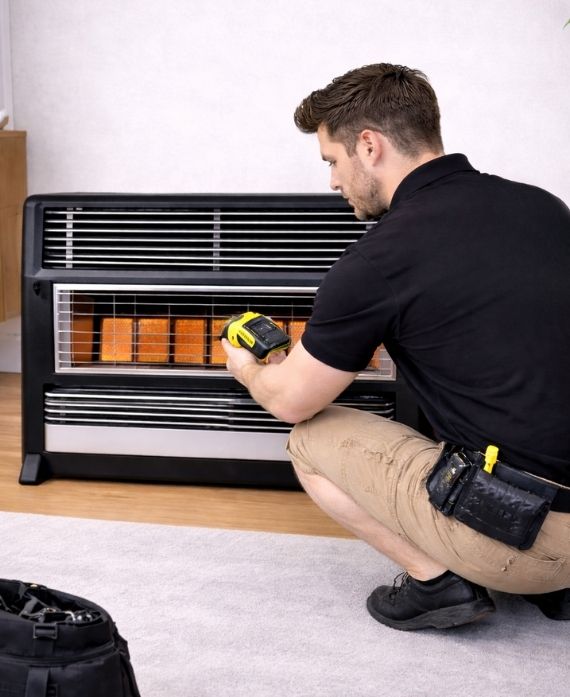
Inspect the unit, check basic operation, assess ventilation/flue setup where applicable, and document findings before proceeding.
What affects time/cost
Access (keys/parking), appliance type and condition, whether testing or parts are required, and whether the unit is in a roof space, external enclosure, or shared plant area.
Book Now
Same Day Service | Servicing Canberra Wide | Available 24/7
We Are Open Now
Get a Bonus 21 Point Plumbing Check with Any Service

Special Offers
We offer discounts on multiple gas heaters in the same home/property
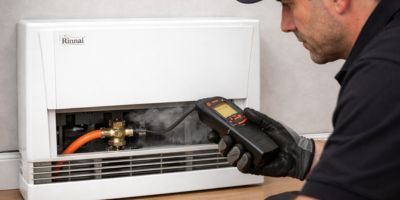
1 Gas Heater (In Your home)
Includes FREE Carbon Monoxide Testing & Gas Leak Detection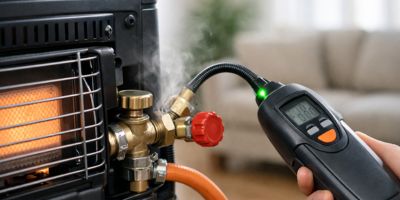
2nd Gas Heater (In Your home)
Includes FREE Carbon Monoxide Testing & Gas Leak Detection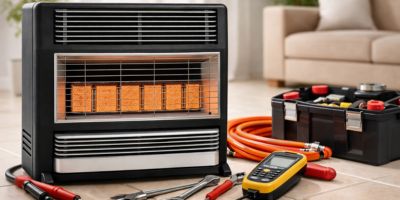
3rd Gas Heater (In Your home)
Includes FREE Carbon Monoxide Testing & Gas Leak Detection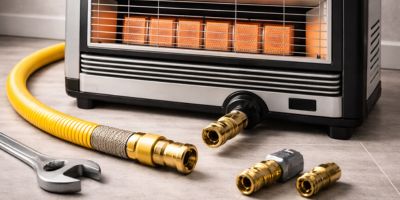
3m Gas Hose Fit & Supply
Includes FREE Carbon Monoxide Testing & Gas Leak Detection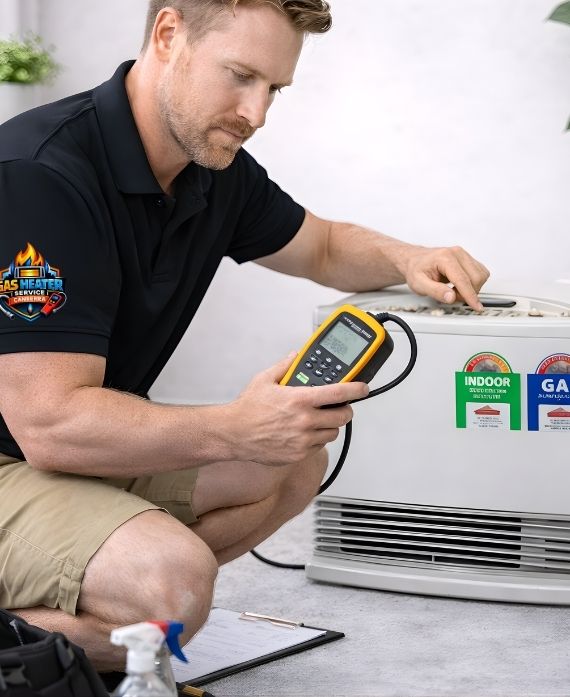
Service Coverage in {A-Z(City)}
We service {A-Z(City)} as part of our Canberra operating area. Most bookings work best when the site contact can confirm where the heater is located (living area, hallway unit, external cabinet, roof space, or plant room) and whether there are any building access steps (intercom, lift booking, visitor parking rules).
Good to know before we arrive
- If the heater is in a tight enclosure or roof space, please note any clearance limits and whether a ladder/roof access is required.
- If it’s a unit complex, having a concierge or building manager contact can prevent delays.
- Pets on-site are fine—just let us know ahead of time so access can be managed safely.
To keep the on-site visit straightforward in {A-Z(City)}, the following details help:
Parking: Let us know the easiest legal spot to unload tools, and any visitor parking rules or time limits.
Entry: Gate codes, intercom instructions, lockbox details, or who will be on-site to provide access.
Heater location: Inside living area, external cabinet, roof space, or shared plant space.
Strata/body corporate: If access is controlled, confirm approval steps and whether a work order number is needed.
Power & lighting: If the heater is in a darker area (cupboard/roof space), ensure there’s adequate light and safe access.
Pets: Please secure pets during arrival and when doors/gates may be open.
Site contact: A single contact person helps if questions come up during inspection.
Noise/time constraints: If there are building quiet hours or business trading hours, flag them at booking time.
Local Work Scenarios in {A-Z(City)}
Here are common on-the-ground scenarios we see around Canberra that can apply in {A-Z(City)}:
- Heater is running but not heating well
We’ll check the unit’s condition and basic operation, then determine whether cleaning, adjustment, or repair work is appropriate. If the unit shows signs that further testing is needed, we’ll outline next steps. - Intermittent shut-offs or ignition problems
Often this needs an on-site assessment to confirm the fault pattern. If parts are required, we’ll document what’s needed and arrange a return visit once available. - Unit complex with limited access windows
If the heater is in a shared plant area or behind locked services doors, we may need coordination with building management so we can access the space and complete checks without repeated trips.
Coverage & Logistics — {A-Z(City)} ({AZ(PostalCode)})
We can attend {A-Z(City)} for installation, repair, cleaning, and maintenance of gas heaters, with scheduling guided by existing Canberra runs and site access requirements. Some jobs can be completed in a single visit; others may need a follow-up when:
- access isn’t available at the scheduled time (keys, gate codes, strata permissions)
- the unit is in a restricted location (roof space, sealed enclosure, shared plant area)
- parts are required after inspection
- safety checks or compliance considerations require staged work
Property Types We Commonly See Here
In {A-Z(City)} (and broadly across Canberra), we commonly attend:
- Standalone homes: usually simplest access, but external cabinets and older installations can require extra inspection time.
- Townhouses/duplexes: access can be straightforward, though metering and isolation points may be grouped.
- Apartments/units: parking, intercom, lifts, and strata approvals can influence the visit.
- Retail/light commercial: access often depends on trading hours and site contacts, with plant areas sometimes secured.
Common Constraints That Change the Scope
A few practical factors can change what’s possible on the first visit:
- Heater is boxed in with limited clearance or ventilation concerns
- Flue/venting configuration needs closer checking before proceeding
- Unit is in a roof space with limited safe access
- Isolation points are not accessible
- Building management requires permits or a nominated contractor sign-in process
(We’ll explain what we find on-site and outline options based on the safest compliant path forward.)
What We Need From You Before We Attend
If you can share these details at booking time, it reduces back-and-forth:
- Symptoms (won’t start, shuts off, unusual smell, soot marks, poor heat)
- Heater location and photos (wide shot + close-up of the unit plate if accessible)
- Any recent changes (renovations, ventilation changes, unusual weather exposure)
- Access steps (parking, intercom, lockbox, strata contact)
- Preferred arrival windows that work with household or site operations
After the Visit: What You’ll Receive
After attending in {A-Z(City)}, we can provide practical closure items such as:
- a summary of what was checked and observed on-site
- notes on any limitations encountered (access, enclosure, parts availability)
- recommended next steps if a return visit is required
(If you need documentation for a landlord, property manager, or strata file, mention this when booking.)
Operational FAQs
Do I need to be home for the appointment?
What if my heater is in a unit complex with strata rules?
Can you work in roof spaces or tight enclosures?
What should I do before you arrive?
What happens if access isn’t available at the booked time?
Do you attend businesses as well as homes in {A-Z(City)}?
Book Now
Same Day Service | Servicing Canberra Wide | Available 24/7