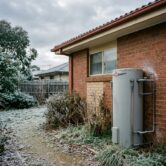




Early Warning Signs Your Hot Water System Might Fail This Winter (and How to Respond Safely)
Canberra nights can drop below zero, and the last thing any household needs is an unexpected cold shower before work. Yet many hot water systems throw out subtle distress calls weeks—or even months—before they finally quit. Understanding those hints gives you a chance to act early, avoid sudden breakdowns, and keep your family comfortable when the temperatures plunge. Below, we unpack the most common red flags, outline safe homeowner checks, and explain when it’s smarter to book in professional hot water system servicing in Canberra instead of hoping for the best.
1. Temperature Fluctuations: From Scalding to Stone Cold
Few things wake you faster than a shower that swings from lukewarm to blistering hot. Sudden temperature shifts often point to:
- A failing thermostat or tempering valve
- Mineral or sediment build-up around the heating element
- A struggling gas burner on instantaneous units
Why it matters
Canberra’s hard water accelerates mineral deposits that insulate the element, making the unit work harder for the same result. Left unchecked, higher operating temperatures shorten component life and raise energy bills.
Safe homeowner checks
- Cycle the temperature dial down, wait an hour, then back up. No response suggests a thermostat issue.
- Note any popping or rumbling noises when the system reheats—often a sign of sediment.
When to call a professional
If the unit ignores temperature adjustments or the water remains inconsistent, a licensed technician can safely flush sediment, recalibrate the thermostat, or replace faulty valves.
Common Mistake: Ignoring “Just One” Hot or Cold Burst
Many residents chalk up an unpredictable shower to municipal supply issues. If it happens twice within a fortnight, treat it as an early warning rather than an isolated glitch.
2. Reduced Hot Water Pressure and Flow
Watching a trickle replace your usual strong flow is frustrating, but it also flags underlying trouble:
- Partial blockage in pipes or the inlet screen
- Sediment clogging the tank outlet
- Failing non-return or pressure-limiting valves
Local factor
ACT water typically carries moderate calcium content. Over winter, colder incoming water contracts pipes slightly, magnifying existing blockages.
Quick homeowner checklist
- Compare flow at multiple hot water taps: if all are low, the issue likely sits at the system, not a single fixture.
- Test cold-water flow. Good cold pressure plus poor hot pressure often confirms a heater-side restriction.
Decision time: monitor or act?
Minor pressure dips that clear after running the tap may be early sediment build-up. Persistent reduction across several days deserves professional inspection to avoid valve damage or internal tank corrosion.
Comparison Table: Minor vs Serious Hot Water Pressure Drops
| Situation | What It May Mean | Suggested Next Step |
| Intermittent low pressure that improves after 30 seconds | Early sediment swirling in the tank outlet | Monitor, schedule routine service at next convenient time |
| Pressure low at all hot taps, never improves | Blocked outlet, failing valves, or pipe corrosion | Book professional assessment before winter peak |
| Low pressure only at one fixture | Faulty tap cartridge or aerator | Clean or replace affected fitting |
Low flow not only frustrates morning routines but forces the system to cycle more frequently, nudging energy bills upward and increasing wear.
3. Odd Noises: Popping, Whistling or Gurgling
A healthy unit hums quietly. Any of these noises deserve attention:
- Popping or rumbling—sediment heating unevenly
- Whistling—pressure build-up around valves
- Gurgling—air pockets due to partial drainage or circulation issues
What not to do
Never attempt to fully drain and flush a storage tank in winter without proper tools. Rapid temperature shifts can crack the glass lining inside the cylinder.
Safe approach
- Stand close enough to identify noise direction but maintain clear space around relief valves.
- Note whether sounds occur only during heating cycles.
- Record frequency and intensity to share with your technician.
4. Rust-Coloured or Cloudy Hot Water
Discoloured water is particularly alarming, and for good reason:
- Internal tank corrosion
- Anode rod fully consumed
- Pipe rust entering through the hot side only
Why Canberra homes see it more in winter
Cold mains water can dissolve slightly more oxygen, accelerating internal corrosion when the heater struggles to reach set temperature.
Immediate actions
- Run the hot tap into a clear glass. If the discolouration clears within minutes, sediment was stirred up, likely from the tank.
- If colour persists, avoid drinking or cooking with the water and arrange testing.
When replacement may be inevitable
Once rust penetrates the tank wall, patching is rarely economical. A licensed plumber can confirm whether it’s time for full unit replacement or an anode change can buy another few seasons.
5. Pilot Light or Ignition Issues on Gas Units
A pilot light that won’t stay lit is more than a nuisance:
- Thermocouple wear reduces safety cut-off reliability
- Fluctuating gas pressure during high winter demand
- Draughts extinguishing exposed pilot flames in older external units
Homeowner safety check
Follow the manufacturer’s relighting instructions exactly. Smell for gas while waiting the recommended clearing time. If the pilot refuses to stay lit after two attempts, stop and call a licensed gas fitter.
Local compliance tip
ACT regulations require any gas work beyond basic relighting to be carried out by a licensed professional. For more on safety expectations, see the official guidance on household hot water systems.
6. Ageing Unit: The Quiet Countdown
Even without obvious faults, approaching end-of-life components can fail suddenly under winter strain.
Average life expectancy
- Gas storage: 8–12 years
- Electric storage: 10–15 years
- Instantaneous gas: 12–15 years
Canberra factor
Winter workloads and hard-water scaling can shave one to two years off those averages if maintenance is skipped.
What to look for
- Warranty sticker or installation date on the tank
- Serial number codes—most brands hide the manufacture year in the first four digits
If your system is living on borrowed time, proactively discussing upgrade paths avoids a mid-July scramble.
7. A Quick Winter-Ready Inspection Checklist
Before the frost sets in, run through this five-minute inspection:
- Feel for warmth around seams and fittings—unexpected heat can pinpoint leaks or poor insulation.
- Look for drips at the pressure relief valve; occasional release is normal, continuous flow is not.
- Listen for rumbling during reheats, a hallmark of scale.
- Smell for gas near gas units—any hint of sulphur or rotten eggs needs immediate attention.
- Check the overflow pipe exits freely, not into an iced-over puddle that can back-pressure the valve.
Finding more than one of these signs in a single check is a reliable hint your system wants professional TLC.
8. When Routine Servicing Pays Off
Hot water units, much like gas heaters, reward regular attention. According to our Canberra service logs, systems flushed every two to three years enjoy noticeably quieter operation and fewer emergency call-outs.
To understand how servicing slots into overall appliance care, see our guide on setting a routine appliance servicing schedule. You’ll notice the same principles—small, consistent upkeep beats urgent winter faults every time.
9. Responding Safely to Each Warning Sign
Below is a quick reference on choosing between monitoring, DIY checks, and professional help.
| Sign Present | Safe DIY Action | When to Call a Technician |
| Minor temperature swing | Adjust thermostat, flush a bucket of water to clear sediment | If fluctuation returns within a week |
| Persistent low pressure | Clean faucet aerators, check cold-water flow | If hot-side pressure stays low across multiple taps |
| Popping noises | Gentle mini-flush from tank drain valve | If noise persists after flushing or you hear whistling |
| Rust-coloured water | Run tap for 3 minutes to see if it clears | If water stays discoloured or metallic-tasting |
| Pilot light goes out twice | Follow manufacturer relight procedure | If it will not stay lit or you smell gas |
By matching your response to symptom severity, you limit risk while keeping unnecessary call-outs to a minimum.
FAQs
1. Why does my hot water system make knocking sounds only in winter?
Cold incoming water increases temperature differences inside the tank, causing suddenly expanding steam pockets that knock against sediment layers. Flushing the tank or booking a service usually resolves the problem.
2. How often should I test the pressure relief valve?
Gently lifting and releasing the valve every six months prevents it from sticking. Do this cautiously—wear gloves and stand clear of the hot discharge stream.
3. Is cloudy hot water dangerous to drink?
Cloudiness from micro-bubbles usually clears after a few seconds and is harmless. Persistent turbidity or brown tint, however, can indicate rust or bacterial growth, so switch to cold water for consumption and arrange a professional check.
4. Can I insulate an outdoor hot water system myself?
Installing pre-sized tank jackets and foam pipe sleeves is generally safe DIY work. Ensure you leave clear access to the burner and relief valves, and use materials rated for outdoor use.
5. Do electric hot water systems need servicing as often as gas units?
Yes. While they lack burners, electric elements still suffer from scale build-up that reduces efficiency. An annual inspection catches failing thermostats or corroded anodes before they cause tank leaks.
Final Thoughts
Catching small changes—temperature blips, strange noises, slight pressure drops—can save you from waking to an ice-cold shower on a frosty Canberra morning. Most early warnings are inexpensive to fix when tackled promptly, yet costly once left to escalate. If you ticked off several signs during your inspection or simply feel unsure, arranging a licensed assessment now means less stress when winter hits its stride.